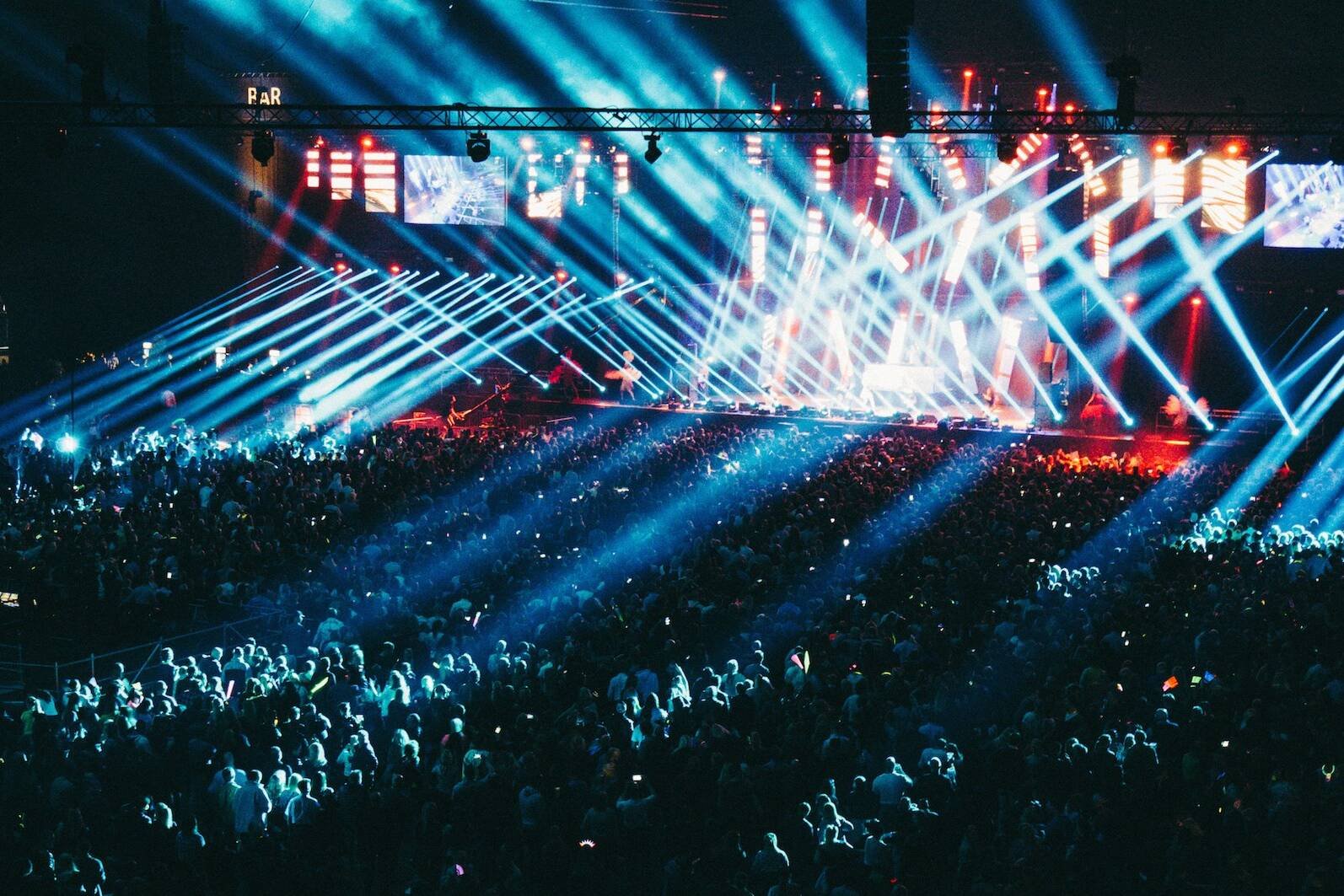
There’s something you can’t write into an event brief, but it’s always there. It’s not the agenda. It’s not the script. It’s the energy in the room.
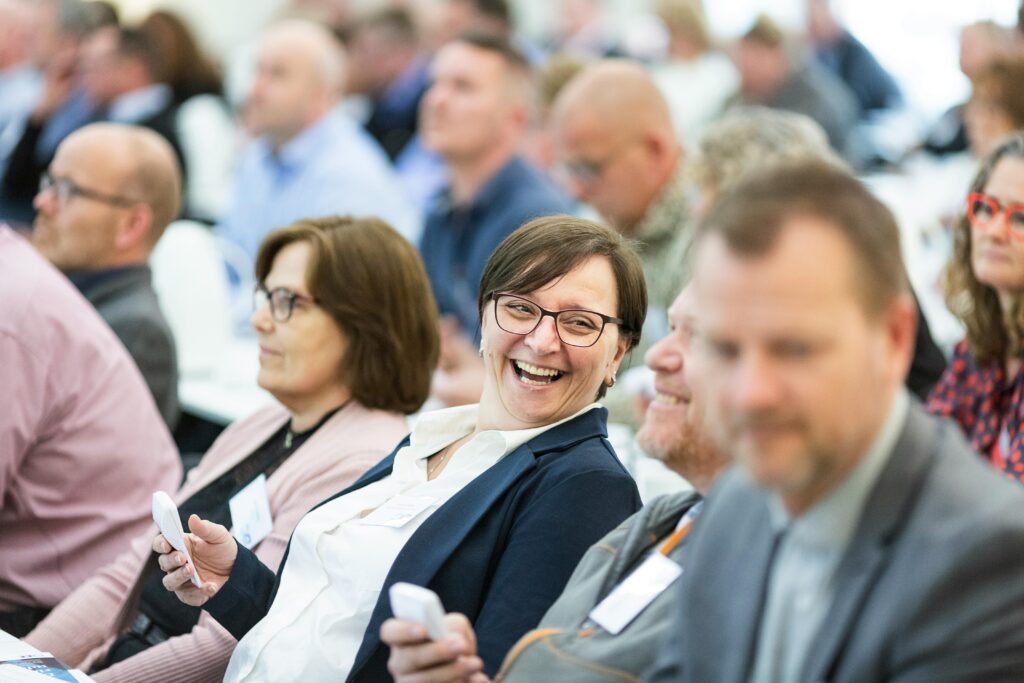
You’ve probably felt it before – the buzz right before a big product reveal. The shift in the air when a speaker hits something personal. The wave of shared emotion that fills a space when people connect, not just with content, but with each other.
The question is: does your video capture that?
Because when the cameras roll, it’s easy to document what happened. But what people remember… is what they felt.
It’s Not Just Footage, It’s Feelings
When we talk about filming events, the conversation usually starts with logistics: how many cameras, which angles, how long should the highlight reel be? But here’s a better question:
How do we capture the atmosphere?
In a world flooded with content, people don’t connect to clean shots and corporate talking points. They connect to authenticity. To mood. To movement. To human moments.
That’s why filming events shouldn’t be treated like a technical task; it’s a creative one. One that requires reading the room, feeling its rhythm, and adjusting on the fly.


Vibe Is the New Value
More brands are realizing that events aren’t just touchpoints. They’re emotional experiences.
And if you’re investing in a powerful in-person moment, the way you preserve it should reflect that same level of thought.Here’s the truth:
“Energy can’t be faked in post-production.”
You have to catch it as it happens. The subtle glance between team members. The crowd leaning in. The genuine, unrehearsed applause.
These aren’t “nice extras.” They’re proof of connection. And that’s what lives on long after the event is over.
So What Does This Mean For You?
Whether you’re planning a leadership retreat, a global summit, or an internal culture event, consider this:
- Don’t just ask your video team what they’ll cover. Ask them how they’ll listen to the room.
- Think beyond shot lists. Think about storytelling.
- Choose a team that isn’t just present, but present enough to feel the moment.
Because in the end, it’s not just about what your audience saw. It’s about what they felt and what still resonates when the lights go down.